Roofing Projects · October 2, 2026
Fixing a Tar-Smeared Chimney Leak on a Platt Park Tudor in Denver
Roof Repair · Denver, CO
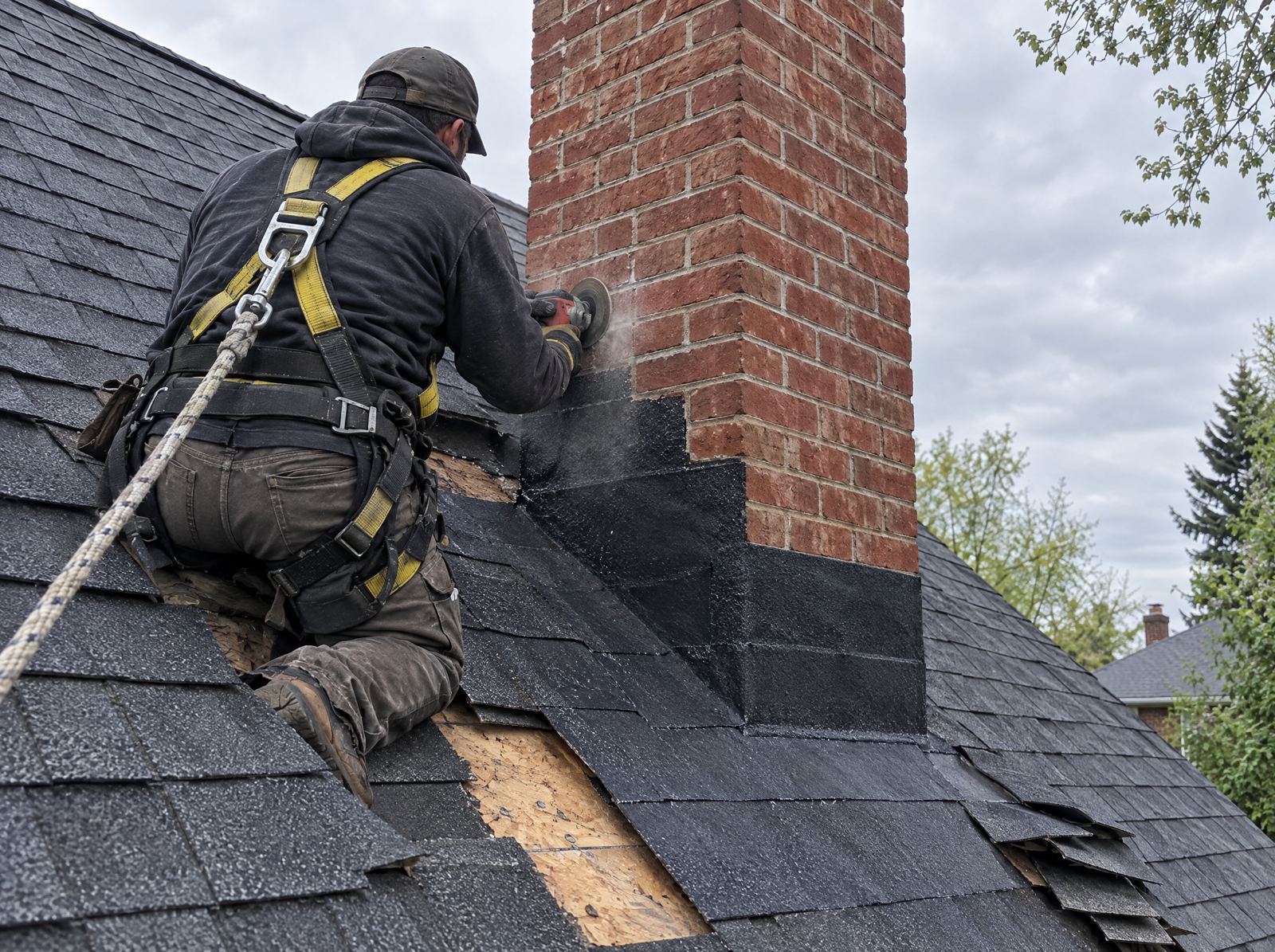
Coppergate Roofing fixed a chimney flashing leak on a 1940s brick Tudor in Denver’s Platt Park neighborhood. We tore out roofing tar smeared over rusted step flashing and put in new bronze step flashing and counter flashing set into the mortar. Start to water-test, this roof repair in Denver took one day.
What did the chimney look like before we started?
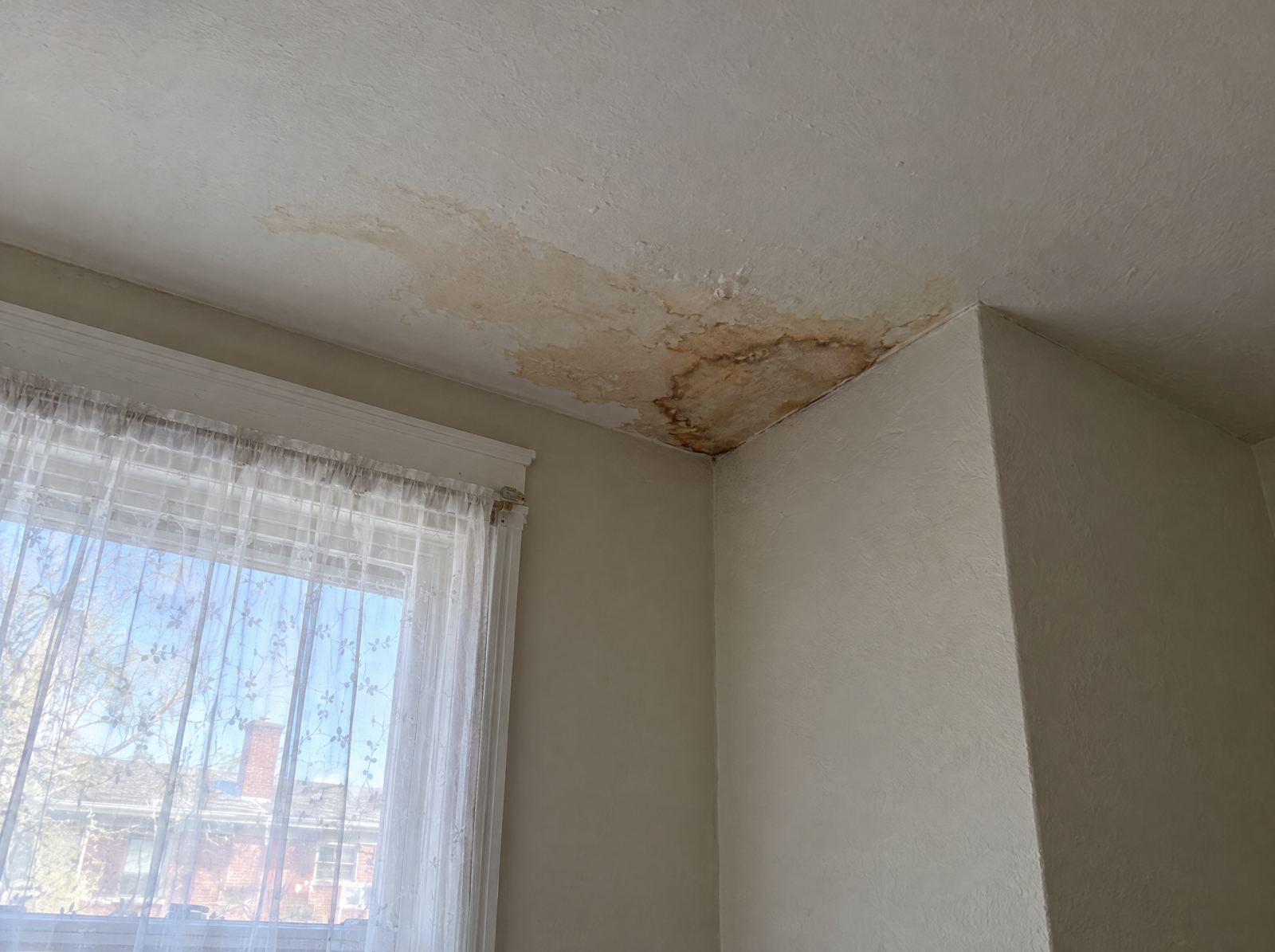
The homeowner had a water stain spreading across the upstairs bedroom ceiling right next to the chimney. We pulled back the shingles and found the old fix was nothing but roofing tar smeared over rusted step flashing. The counter flashing had worked itself loose from the mortar joint completely. That gap let water run straight down behind the chimney every time it rained.
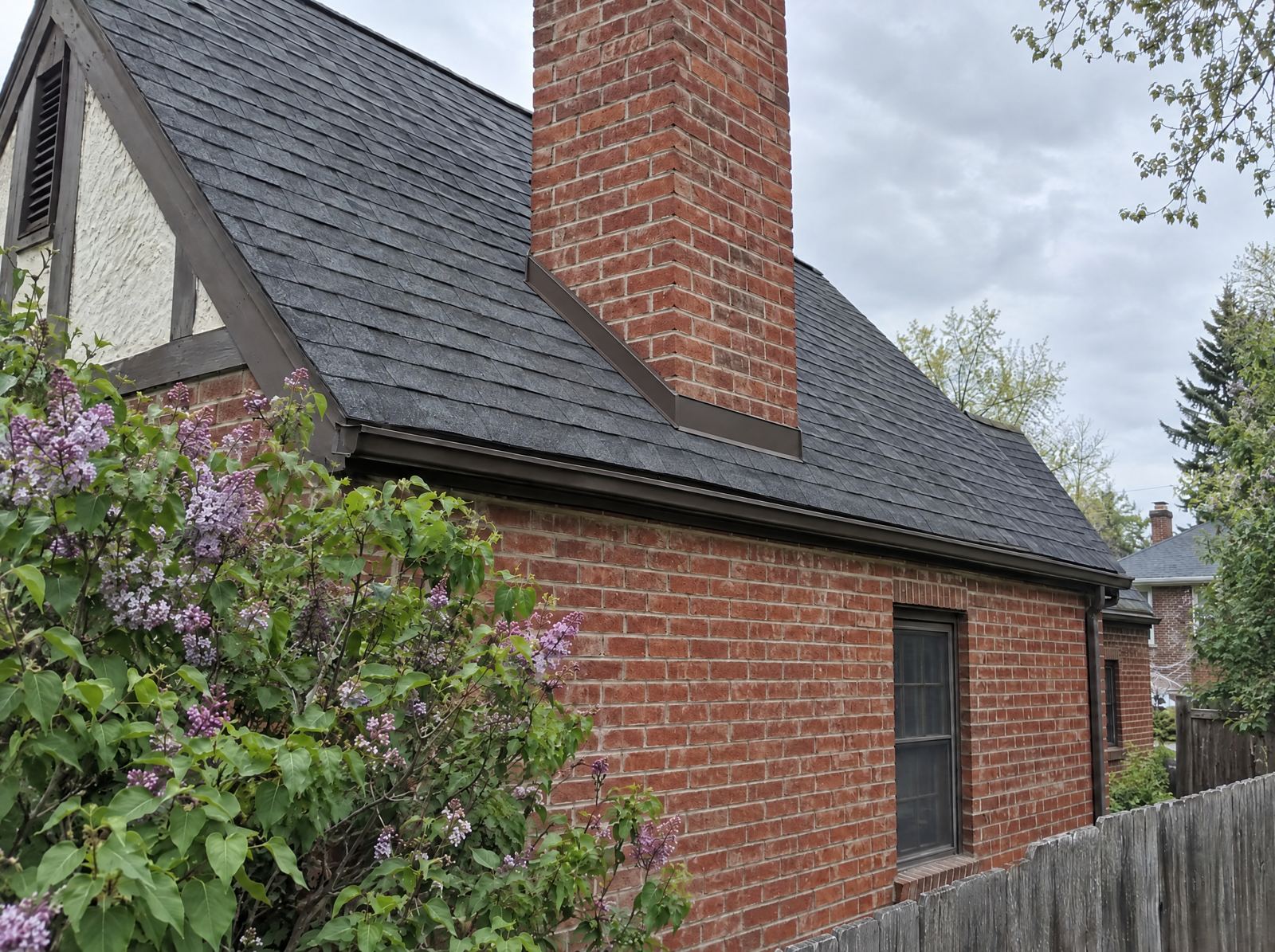
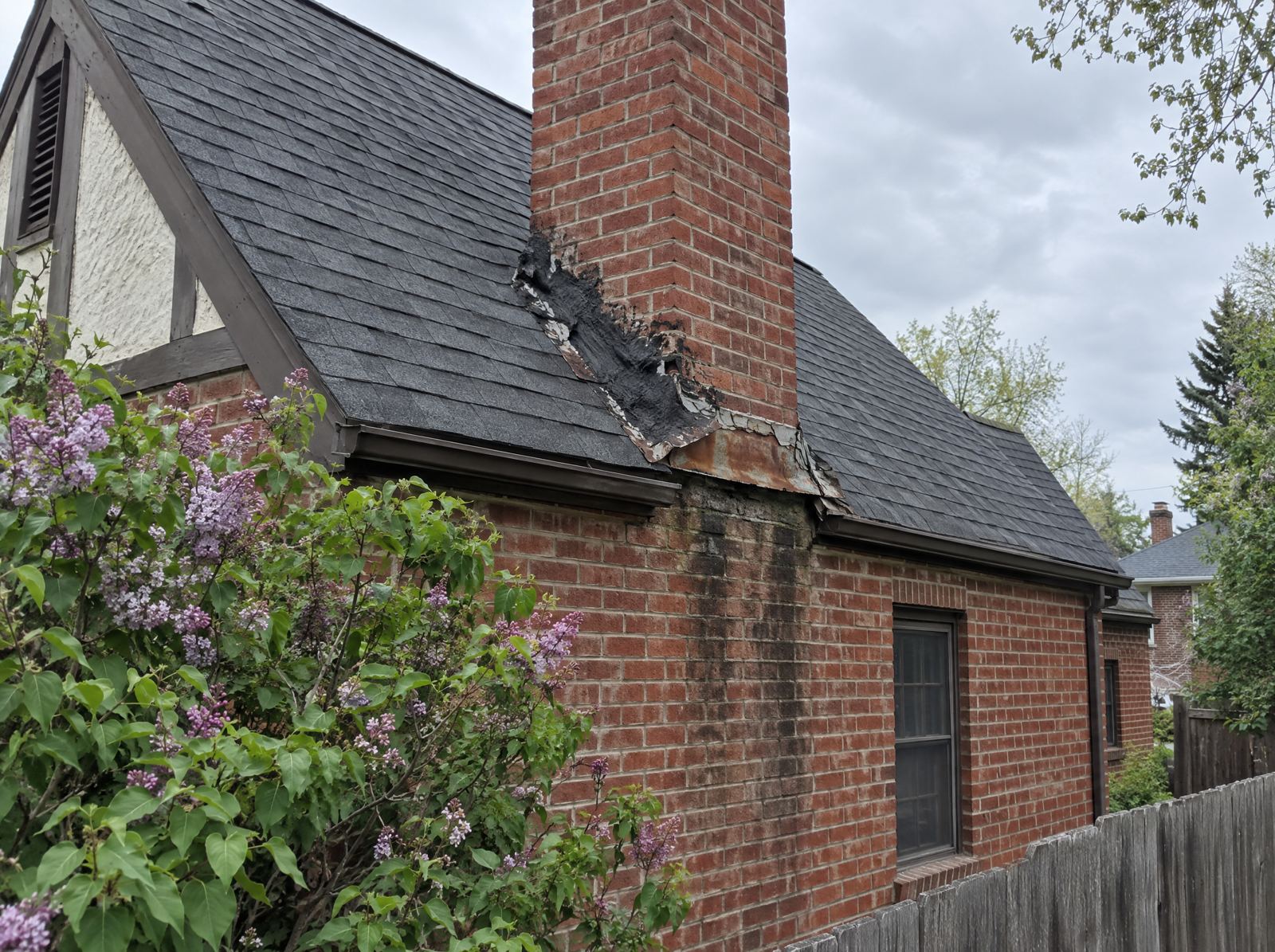
BeforeAfter
Drag to compare
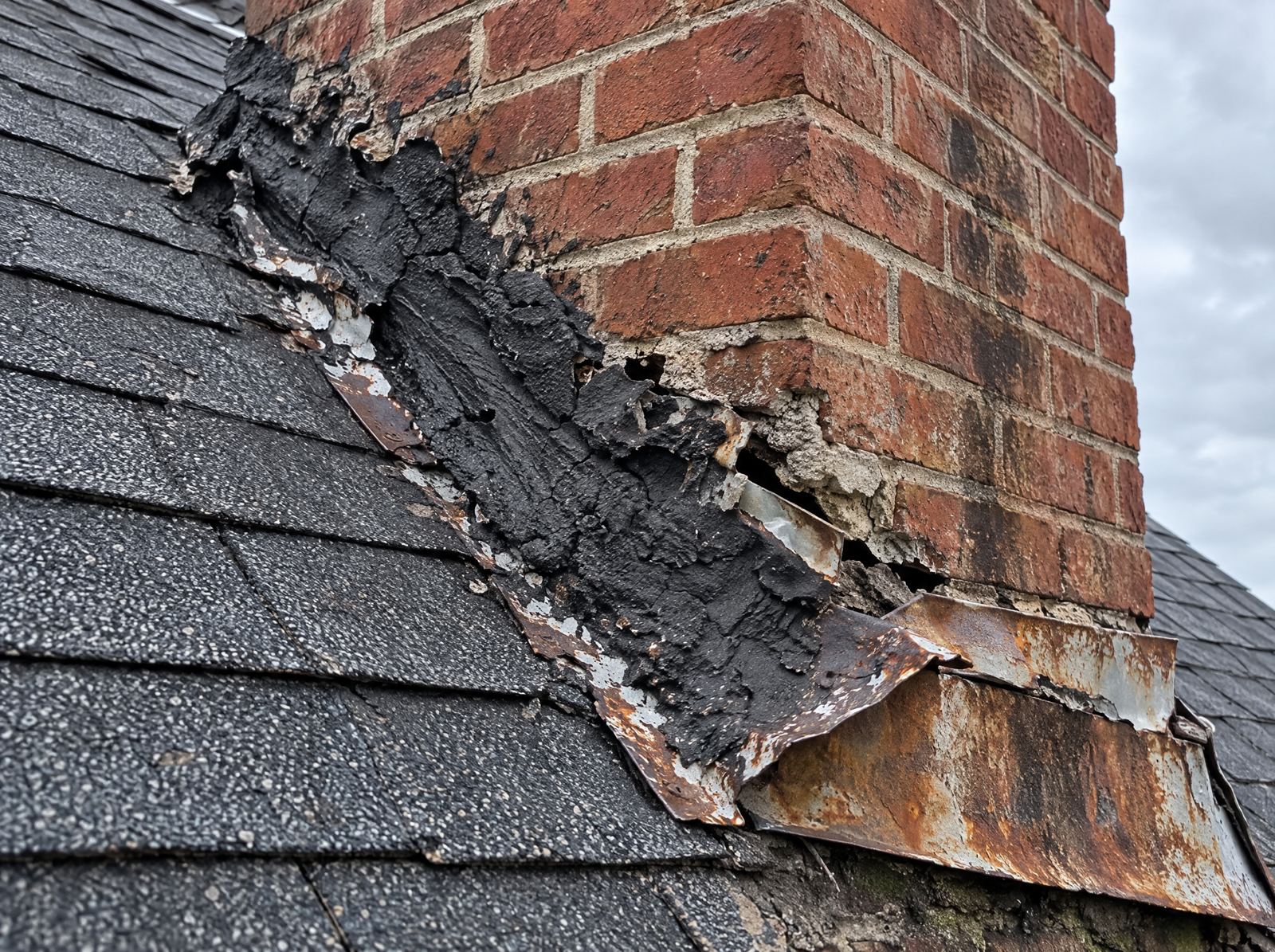
Why did the old tar patch fail instead of stopping the leak?
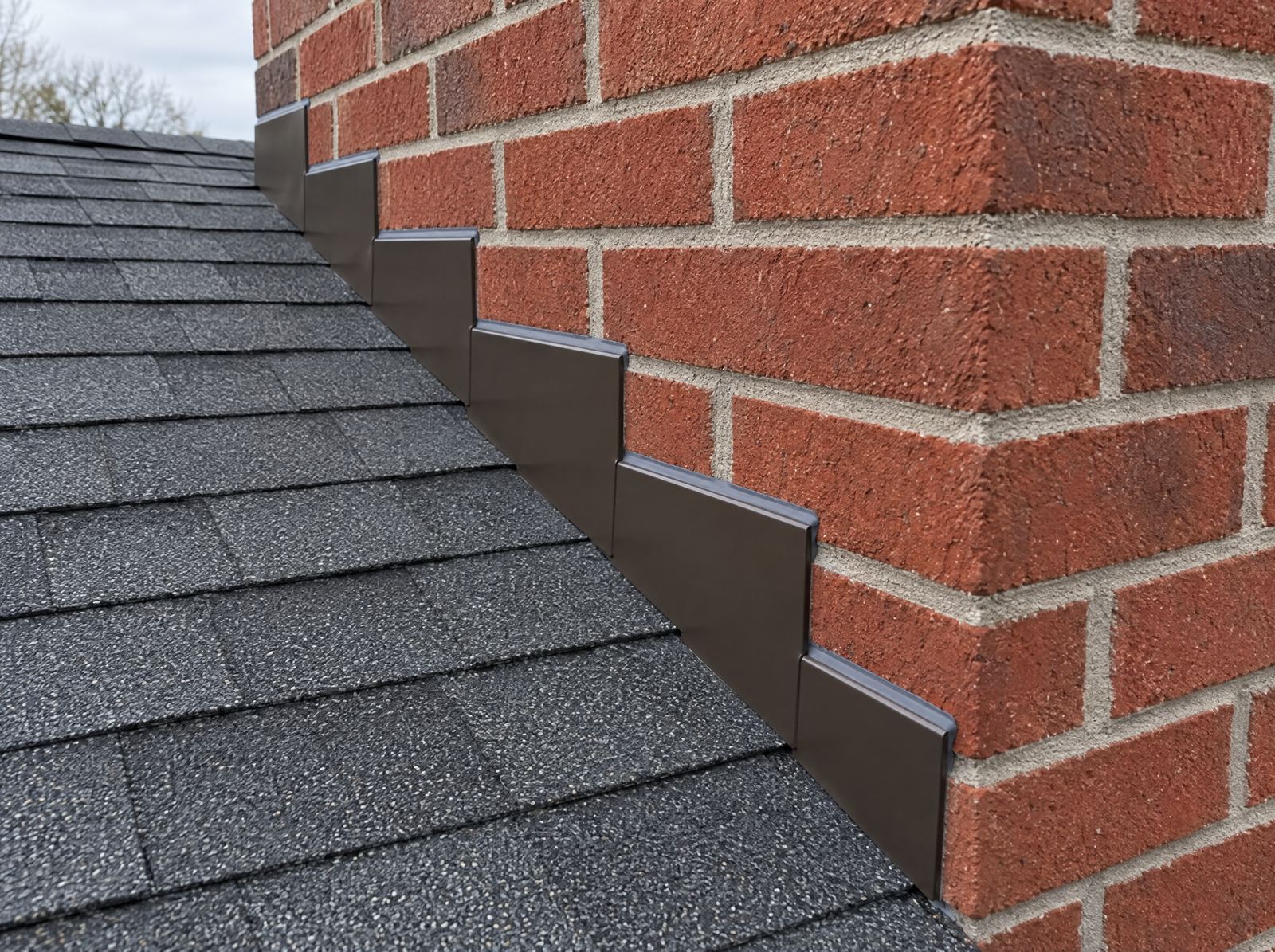
Tar is a cover-up, not a repair. Someone smeared it over rusted step flashing on this chimney instead of replacing the metal. Once the counter flashing pulled out of the mortar joint, there was nothing left sealing the top edge. Tar dries out, cracks, and shrinks away from brick within a season or two. It never bonds to masonry the way a proper reglet cut does. Step flashing is the row of small metal pieces woven between each shingle course up the side of a chimney. Counter flashing is the metal set into the brick above it that caps that joint. Smearing tar over failing metal just hides the problem until the next hard rain finds it again, which is exactly what sent water onto this homeowner's bedroom ceiling. This kind of roof repair in Denver is common on older brick homes where the original flashing is just worn out and rusted through.
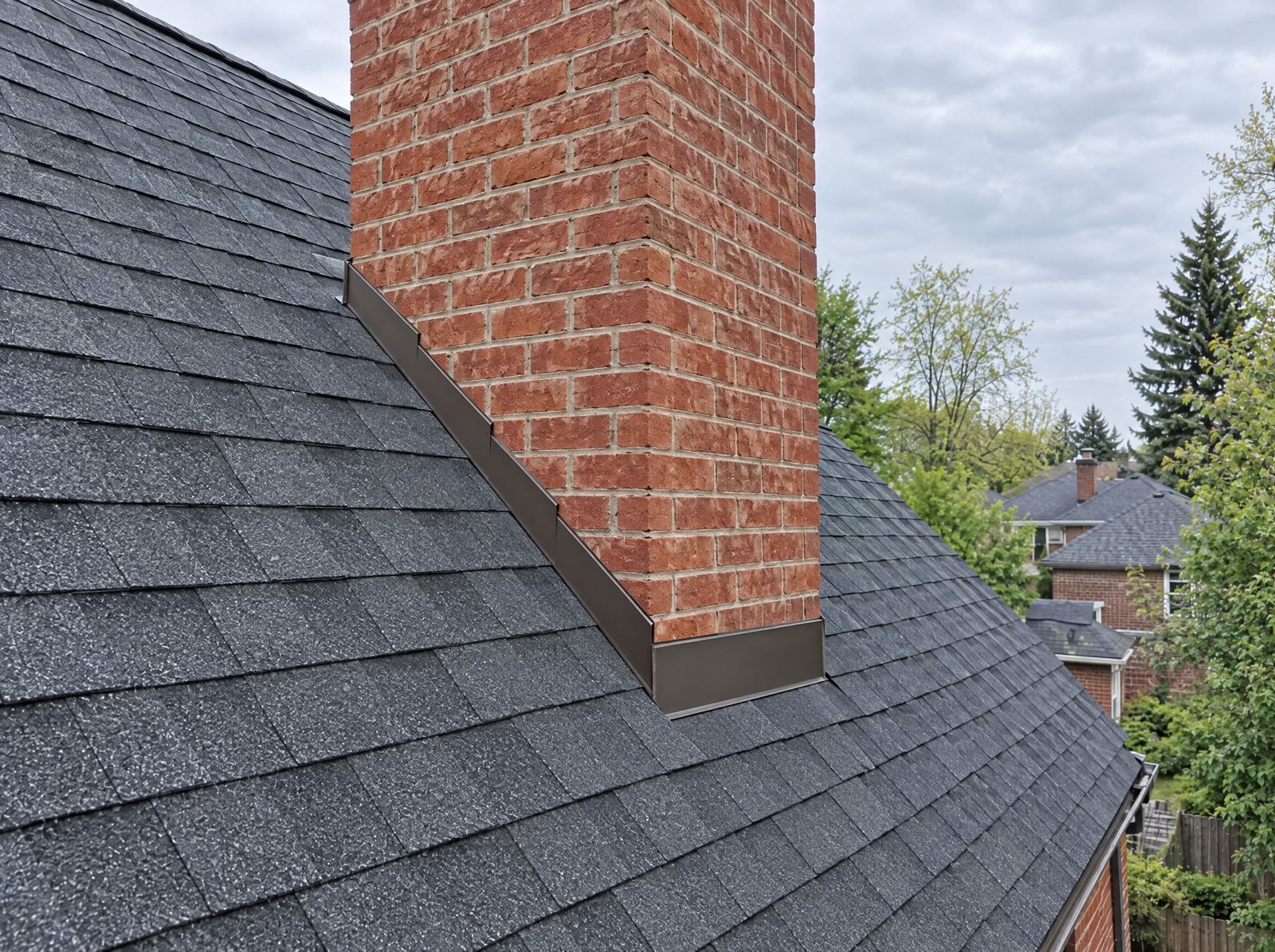
Why bronze step flashing and a ground-in mortar reglet instead of another tar patch?
We ground a reglet, a slot cut into the mortar joint, and set new counter flashing directly into it so the metal locks into the brick instead of just resting on top of it. The step flashing is pre-finished bronze, woven in one piece per shingle course the way it's supposed to go. We sealed everything with Sika NP1, a polyurethane sealant that holds up to Denver's freeze-thaw swings a lot better than tar ever will. We also wrapped the chimney base in ice and water shield before relaying the shingles, so there's a waterproof membrane under the metal, not just stuck behind it. That combination is built to outlast the old tar fix by a long shot, and it's the standard we use on roofing in Denver chimneys of this age.
How do you know the leak's actually fixed before you leave?
We ran a hose directly on the chimney and flashing after the repair and checked the bedroom ceiling from inside while the water was running. No drips, no damp spots, nothing. That's the only way to know a flashing repair actually holds. A stain on drywall won't tell you if a fix worked until the next real storm hits. Testing it with a hose on site, same day, meant the homeowner didn't have to wait through another rain to find out.
Frequently asked questions
How long does a chimney flashing repair like this take?
This one was a single day, from pulling the old tar and rusted metal off to water-testing the finished flashing with a hose.
What material did you use for the new flashing?
Pre-finished bronze step flashing woven into the shingles, with counter flashing set into a reglet ground into the mortar joint and sealed with Sika NP1.
Why was tar used on the chimney in the first place?
We didn't put it there. It was a previous repair someone did to stop the leak quickly, smeared over rusted step flashing instead of replacing it. That's why it failed.
Did you have to remove the shingles around the chimney?
Yes. We peeled the shingles back around the chimney to get at the old flashing, wrapped the base in ice and water shield, then rewove and relaid the shingles once the new flashing was in.
How do I know if my own chimney flashing was ever actually repaired right?
Look for tar or caulk smeared over metal instead of metal that's been replaced. If the counter flashing isn't cut into the brick itself, it's not a real repair, it's a patch waiting to fail.
Need roof repair in Denver?
More recent work by Coppergate Roofing
Questions about your roof?
Ask us anything, or request an estimate — a real person answers.
Thanks — we got it. Coppergate Roofing will get back to you.
Powered by RidgePages